“high temperature resistance” search results (700)

The practice of mocha coffee the method of using mocha coffee pot
Process analysis: initial heat: after the kettle is heated, the air part expands by heat, resulting in pressure, and the water reaches the powder trough through the aqueduct. After soaking in water, the coffee powder expands rapidly to form pressed powder. At this time, the water in the lower pot is resisted by pressed powder, and the closed pressure in the lower pot continues to increase. The purpose of initial heat is to raise the water level to the position of the powder trough and to make the coffee powder form cakes, so that high pressure and high temperature are not needed.
2016-06-05 Mocha coffee practice coffee maker usage process analysis initial heat pot
Arabica and Rubusta
Arabica coffee (Coffee.Arabica): also known as Arabica coffee, its taxonomic position was determined by Linnaeus in 1753. It can produce Arabica coffee (C.Arabica) beans, which can be called high-quality coffee beans in the world and the only coffee that can be drunk without any ingredients. Two of the most popular Arabica coffee (C.Arabica)
2014-08-08 Coffee knowledge Arabica Rubusta Coffee Encyclopedia
How to maintain the standard of high quality coffee produced by coffee utensils and coffee processing factories
How to operate the siphon pot to siphon the physical properties of coffee may be complicated, but the process is not mysterious. Coffee has nothing to do with your attitude, handmade bamboo sticks or stirring techniques, because no matter what method is used, a good siphon pot can extract a reasonable amount evenly from the whole range of coffee extraction at the right temperature. When the upper pot is tightened and the lower pot is screwed
2016-06-24 How to maintain high quality coffee products utensils processing factories standards how
How to maintain the standard of high quality coffee produced by coffee utensils and coffee processing factories
How to operate the siphon pot to siphon the physical properties of coffee may be complicated, but the process is not mysterious. Coffee has nothing to do with your attitude, handmade bamboo sticks or stirring techniques, because no matter what method is used, a good siphon pot can extract a reasonable amount evenly from the whole range of coffee extraction at the right temperature. When the upper pot is tightened and the lower pot is screwed
2016-06-24 How to maintain high quality coffee products utensils processing factories standards how
The planting of coffee trees
When tasting a single cup of coffee, you will see some information about the variety in addition to the country, region and geographical and climatic conditions. Such as Arabica, Robusta, Bourbon and so on.
2014-07-22 Coffee knowledge coffee trees coffee cultivation coffee encyclopedia
Classification of coffee by the National Standard for Coffee Botany
There are more than 60 types of coffee, but there are roughly two types of coffee grown on a commercial scale, one is Arabica, accounting for about 70% of the world's coffee planting area; one is Robasta, accounting for about 30% of the world's coffee planting area. According to the classification of coffee by China's national standards, it is mainly divided into the following five varieties. 1. Arabica coffee, i.e. Arabian species. origin
2015-01-17 coffee botany national standard classification class has variety commercial
Overall taste rich Bolivian coffee variety characteristics Taste Manor boutique coffee bean flavor medium
Bolivia is a landlocked country in central South America, bordered by Brazil in the northeast, Paraguay in the southeast, Argentina in the south, Chile in the southwest and Peru in the west. The main terrain is plateau. Bolivia is the highest plateau country in the world, with an average altitude of more than 3000 meters. The capital La Paz is 3660 meters above sea level and is known as the highest capital in the world. Three points in Bolivia
2016-09-01 Overall Flavor Abundance Bolivia Coffee Variety Characteristics Taste Manor Fine
The overall rich taste of Bolivian coffee varieties taste manor boutique coffee bean flavor introduction
Bolivia is a landlocked country in central South America, bounded by Brazil in the northeast, Paraguay in the southeast, Argentina in the south, Chile in the southwest and Peru in the west. The main topography is the plateau. Bolivia is the highest plateau country in the world, with an average elevation of more than 3000 meters. La Paz, the capital, is as high as 3660 meters above sea level, which is known as the highest capital in the world. Three points in Bolivia
2016-09-01 Overall taste rich Bolivia coffee variety characteristics manor essence
What are the main types of coffee beans
[Catuai Kadu Aikaduai Aica Dewey] (Caturra Kaddura and Mondu Novo New World artificial hybrid coffee varieties. The tree height of Caturra is shorter than that of Mundo novo, and the improved height is more convenient to harvest after mixing. The sweetness performance is similar to that of Cattura, and there is a great correlation between fertilization techniques. With high planting density, high yield can be achieved by proper fertilization.
2016-06-02 There are several kinds of coffee beans.
Basic knowledge of fine coffee basic knowledge of coffee botany
According to the botanical description of coffee: coffee is Rubiaceae, coffee genus, perennial evergreen shrubs or small trees. There are more than 60 types of coffee classified, but there are roughly two varieties of coffee grown commercially on a large scale, one is Arabica, accounting for about 70 percent of the world's coffee planting area, and the other is Robasta, accounting for about 30 percent of the world's coffee planting area. According to our country
2015-03-12 Boutique coffee basics common sense botany knowledge
Yunnan Tieka Coffee Bean processing Variety taste characteristics Grinding degree Manor production area introduction
The so-called new variety of Yunnan Tiepika boutique coffee beans actually refers to catimor (Katimo), which is a hybrid of the timor species of the Roberta family and Arabica. Compared with the old varieties, it lacks rich aroma and taste, and has a relatively shallow smell of grass and soil, but its advantages are resistance to diseases and insect pests, easy to manage, high yield, and its yield per mu can reach up to 35.
2016-10-24 Yunnan pickup coffee beans treatment variety taste characteristics grinding manor region
Coffee beans Coffee
There are about 60 species of coffee in the world, of which only 25 species are cultivated to make coffee, of which only 4 species are used as commercial coffee: large fruit coffee (Coffea liberica), medium fruit coffee (Coffea canephora), small fruit coffee (Coffea arabica) and high yield coffee (Coffea dewevrei). These are botanical names. Coffee in the world at present
2014-09-25 Coffee beans coffee family.
Three kinds of coffee beans with the best quality in the world
1. The origin of Arabica coffee tree is Ethiopia, and its coffee bean production accounts for 70% of the world's output. The world-famous Blue Mountain Garffin, Mocha Coffee and so on are almost all Arabica species. Arabica coffee trees are suitable for growing in high mountains with large temperature difference between day and night, as well as low humidity and well-drained soil; the ideal altitude is 2000 meters, the higher the altitude, the better the quality.
2015-11-09 All over the world quality good three kinds coffee beans varieties world rabbi coffee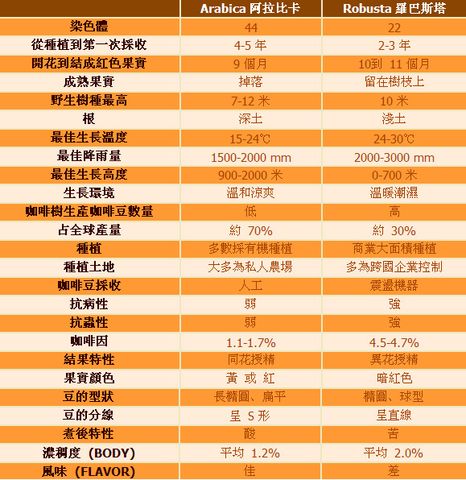
The difference between Arabica and Rubusta
Arabica coffee (transferred from www.molinarichina.com) Arabica coffee (Coffee.Arabica): Arabica coffee, also known as Arabica coffee, its taxonomic position was determined by Linnaeus in 1753. It can produce Arabica coffee (C.Arabica) beans, which can be called high-quality coffee beans in the world and the only coffee that can be drunk without any ingredients. Allah
2015-11-25 Rabbi Arabica Robbas Buzz Rubusta difference Ra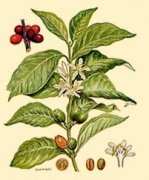
A family of coffee beans
There are about 60 species of coffee in the world, of which only 25 species are cultivated to make coffee, of which only 4 species are used as commercial coffee: large fruit coffee (Coffea liberica), medium fruit coffee (Coffea canephora), small fruit coffee (Coffea arabica) and high yield coffee (Coffea dewevrei). These are botanical names. Coffee in the world at present
2014-07-02 Coffee beans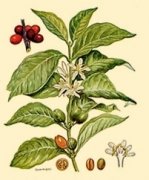
A family of coffee beans
There are about 60 species of coffee in the world, of which only 25 species are cultivated to make coffee, of which only 4 species are used as commercial coffee: large fruit coffee (Coffea liberica), medium fruit coffee (Coffea canephora), small fruit coffee (Coffea arabica) and high yield coffee (Coffea dewevrei). These are botanical names. Coffee in the world at present
2014-07-02 Coffee beans
Introduction to the sour taste of Bolivian coffee with sour fruit and the taste characteristics of varieties.
The overall taste of Bolivian coffee is rich and balanced, the aroma is rich and unique, similar to the mixture of flower and fruit aroma, impressive. The perennial low temperature environment makes the coffee fruit grow slowly, compact enough, the aroma is also charming, the floral aroma is obvious, the acidity is medium and low, but the feeling is not monotonous, on the contrary, it appears soft and fresh, with the sour taste of citrus fruits in the early days.
2016-10-08 Fruit sour Bolivia coffee grinding taste characteristics variety producing area medium
The best coffee in the world
When tasting single-origin coffee, you will see some information about the variety in addition to the country of origin, production area and geographical and climatic conditions. Arabica, Robosta, Bourbon, etc. For coffee flavor, of course, the difference in the production area is relatively large. Variety differences become interesting when discussing the variety of beans produced in the same region.
2014-11-19 Coffee knowledge Fine coffee learning Coffee varieties
Coffee Bean Variety Daquan | how important Arabica Coffee beans are
It has always been a complicated matter to classify coffee genetically. As far as the coffee varieties on the market are concerned, the most superficial classification is of course divided into Arabica and Robusta (hereinafter referred to as radish beans). About the difference between Arabica and turnip beans, follow Wechat cafeliving reply
2021-10-13 Rabbi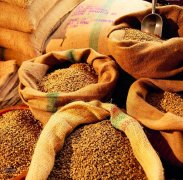
The knowledge of coffee botany is mainly divided into the following five varieties
According to the botanical description of coffee: coffee is Rubiaceae, coffee genus, perennial evergreen shrubs or small trees. There are more than 60 types of coffee classified, but there are roughly two varieties of coffee grown commercially on a large scale, one is Arabica, accounting for about 70 percent of the world's coffee planting area, and the other is Robasta, accounting for about 30 percent of the world's coffee planting area. According to our country
2015-10-19 Coffee botany knowledge mainly divided into the following varieties